

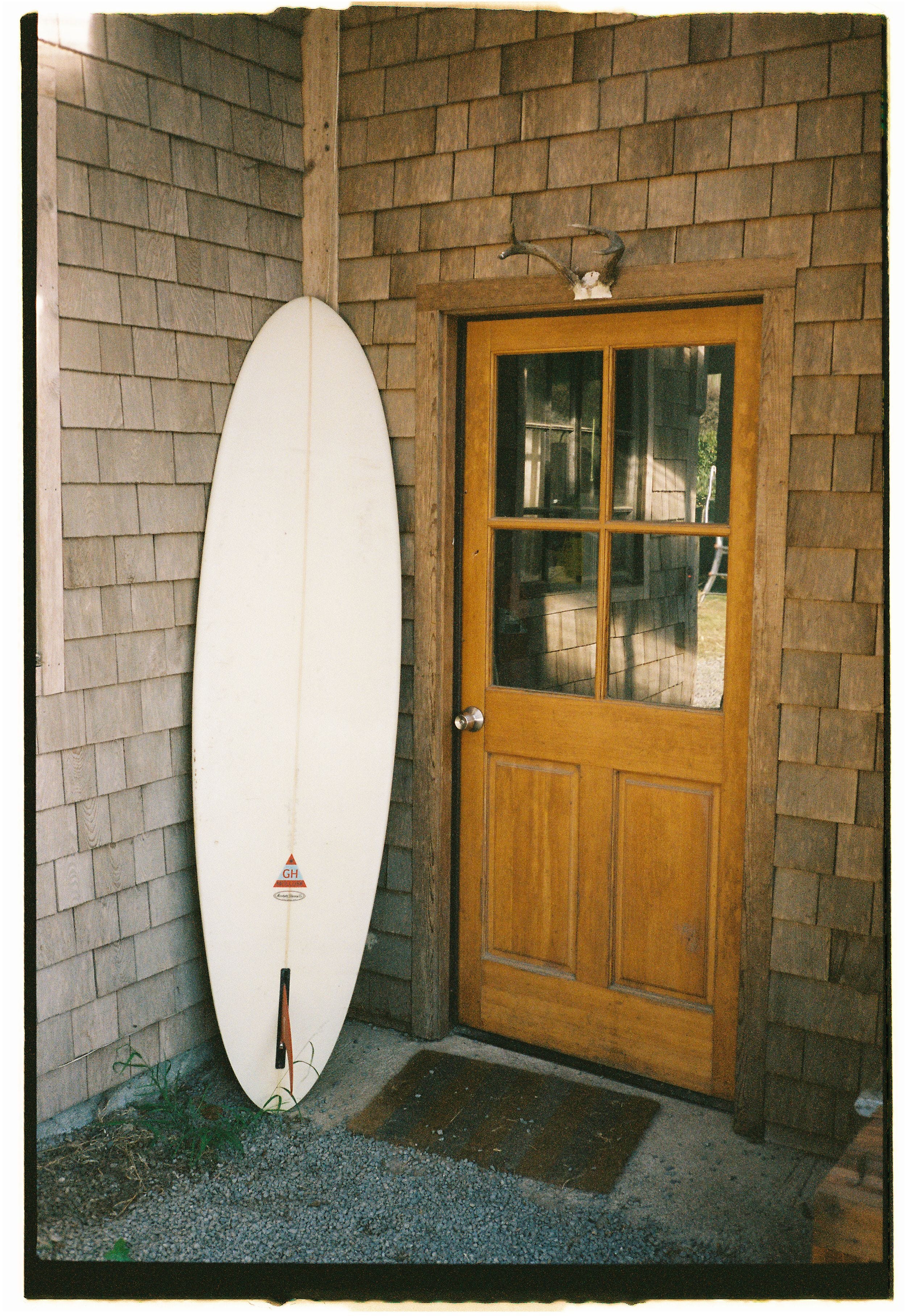
The first time I lived on a ranch was in northeastern Wyoming while working as a fishing guide, when I was 22. The room I lived in there was named “Cell Block 4.” It had unfinished concrete floors, a dirty spring mattress cot that sagged down to the ground, and my roommate was a growing family of mice. CB4 was a shithole, but it was my shithole. Looking back, I’m glad I had to live in that room, as it forced me to spend my time doing things elsewhere. I played harder than ever that summer and did way more than I would’ve if I had a cushy pad to live in.
When I wasn’t guiding or fishing I was back at the ranch with the other guides, wranglers, and groundskeepers, observing and taking part in regular day-to day ranch things. The atmosphere was the opposite of a city’s downtown financial district, yet it was completely alive and constantly busy in a very different way - everyone had a role and rarely stopped moving and doing. A sort of peaceful chaos was the norm. It was busy, but it was not the kind manufactured urgency of Wall Street where men in suits shout about imaginary numbers. It was centered around daily tasks that were prioritized by real necessity, and likely included dirt under your nails or sweat in your eyes.
I started to see that cities didn’t really represent “real life” more than ranches do - they just hid the consequences of life better. In the city, food still comes from death but someone else does the dirty work for you. Labor still exists, its just more abstract and probably behind a computer. Systems and processes fail, they just fail quieter - and then people move on to a new thing as if it’s the norm. The ranch didn’t feel like an escape from reality to me - it just seemed like a clearer version of it.
The ranch lifers, the ones who started working there as kids and never left, lived with a quiet and unfailing sense of purpose that seemed genuine. They appeared to all be living in the place where they wanted to be, if nothing else. They woke up sore, went to bed tired, drank the same drink every night at 5pm. They seemed happy.
At the time, life there made sense to me. I would often visualize what I’d be like when I was on my 20th year there. But when I eventually left after what ended up being only one year there, I did not return, even just to visit, for a long time. I thought the regret of not returning would eventually dissipate.
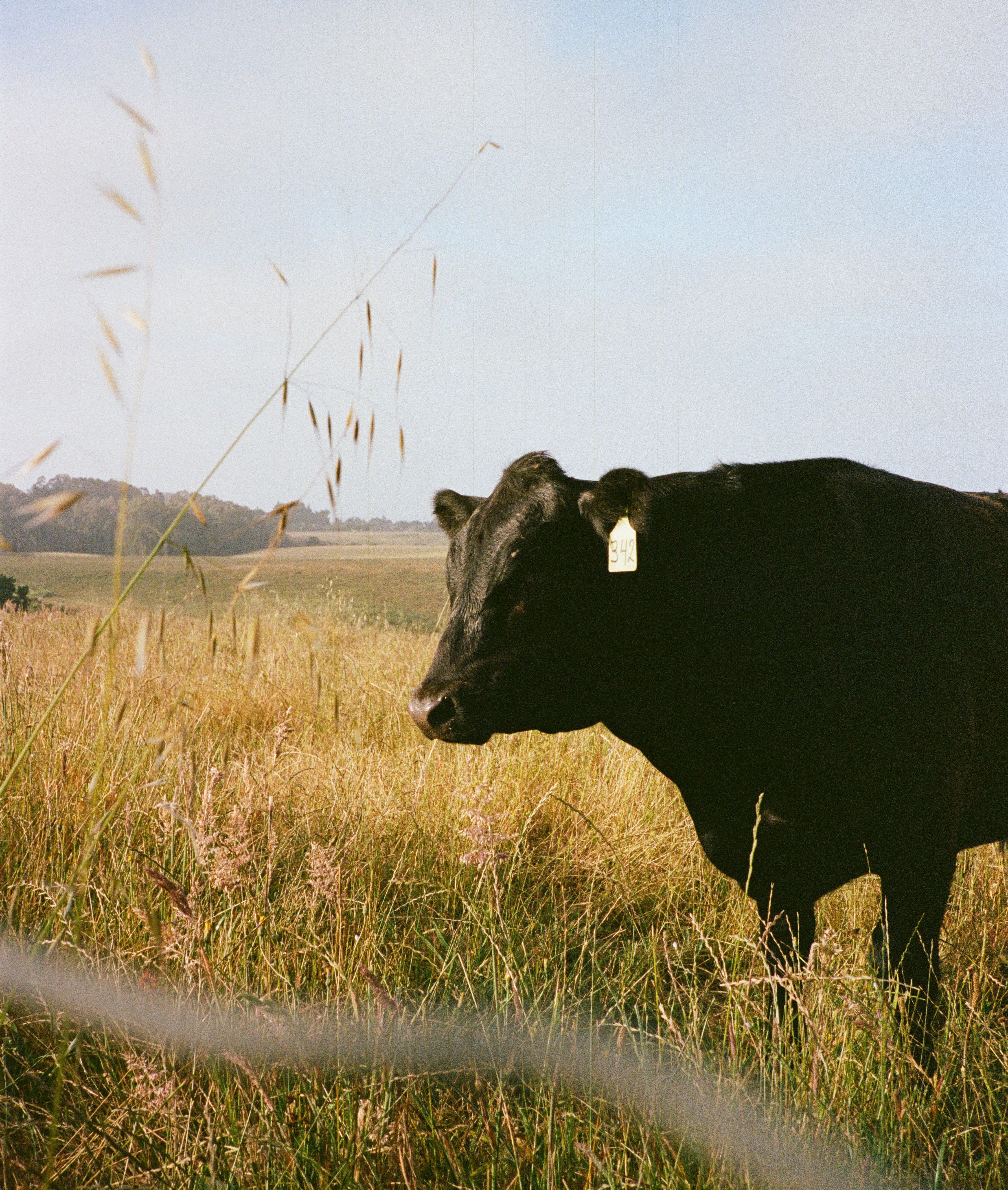
About a decade later, I moved to a working cattle ranch a few thousand miles away, on the California coast. It was run by a rancher that had been ranching sustainably for fifty years, practicing regenerative agriculture before there was a term for it. I’m still convinced his beef is the best beef in the world, and I’m often reassured by that when the name of his ranch pops up on menus in some of the best restaurants in big cities around the country.
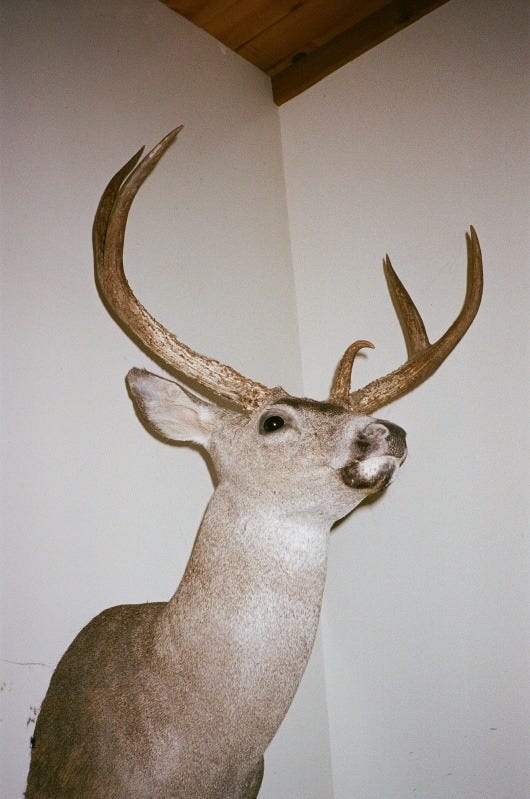
Definitely nicer than CB4, my living situation here was still sort of at odds with what existed around it. In my early 30s with a solid job, I’d often wake up and wonder what I was doing there, and if it was the right place to be. My “cabin” was more like a 250 sq ft singular room, plus a storage loft that I converted to a bedroom with less headroom than my truck’s tent camper. The floors were again concrete, this time painted royal blue. A small cast-iron Double Star wood stove from the 70s with a strip of corrugated metal on the wall behind got me through the winters. I had my favorite deer mounts on either side of the stove, just above eye-level. My bathroom had shockingly weak shower pressure and there was no clean water. There was a pond on the property that provided water when needed but wasn’t clean enough to drink. Besides a source for the cows, the pond was best utilized for fantasizing about stocking it with fish.
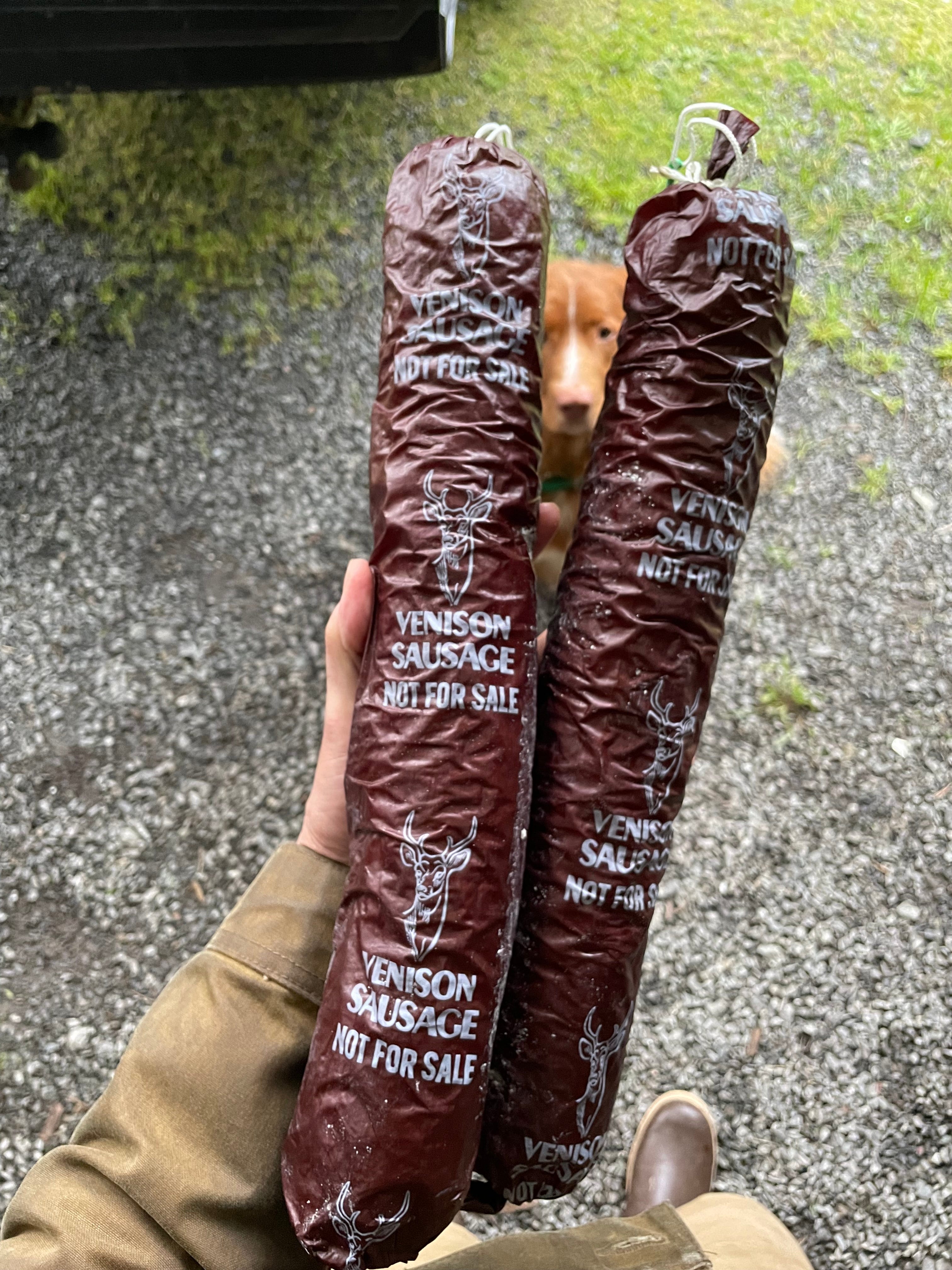
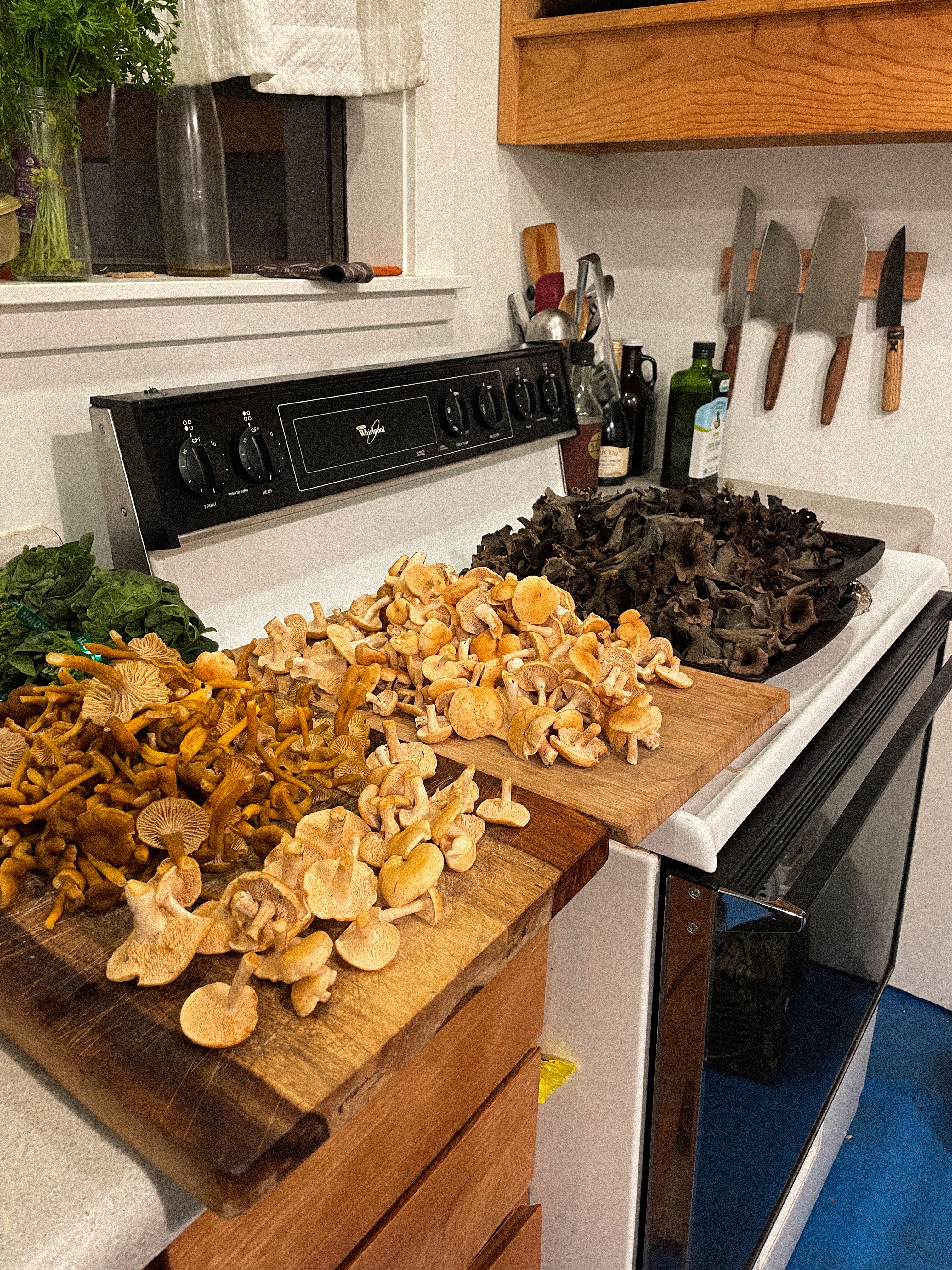
There was a separate area with a barebones kitchen anchored by an electric Whirlpool range that was on its last legs. With very minimal options for food within reasonable driving distance I had no choice but to mostly cook. I processed two deer, wild turkeys, and two elk in that tiny kitchen at one point, and would trade game meat to the ranchers in exchange for beef and fresh eggs from the backyard.
From seasonal fish and game to wild mushrooms, I almost solely ate protein that I caught myself. Besides some odds and ends, everything I ate beyond that was either grown within a mile of where I lived or came from my chest freezer, which took up half the space in my kitchen. Even the salt I used was made by a friend nearby. Spoiled rotten with the best food on the great green earth.
A remote island was visible from my bedroom on a clear day. I could see where the local fishing charters were fishing, as if I had a live-stream of beta with Miss Rita at the ready.
In the spring, the lifeless grass that covered the ranch all the way down to the ocean would become a vibrant green and I’d sometimes even hear turkeys gobbling across the valley waking up from the roost at first light - even though I’d been told vehemently that nobody had seen a turkey there for 25 years.
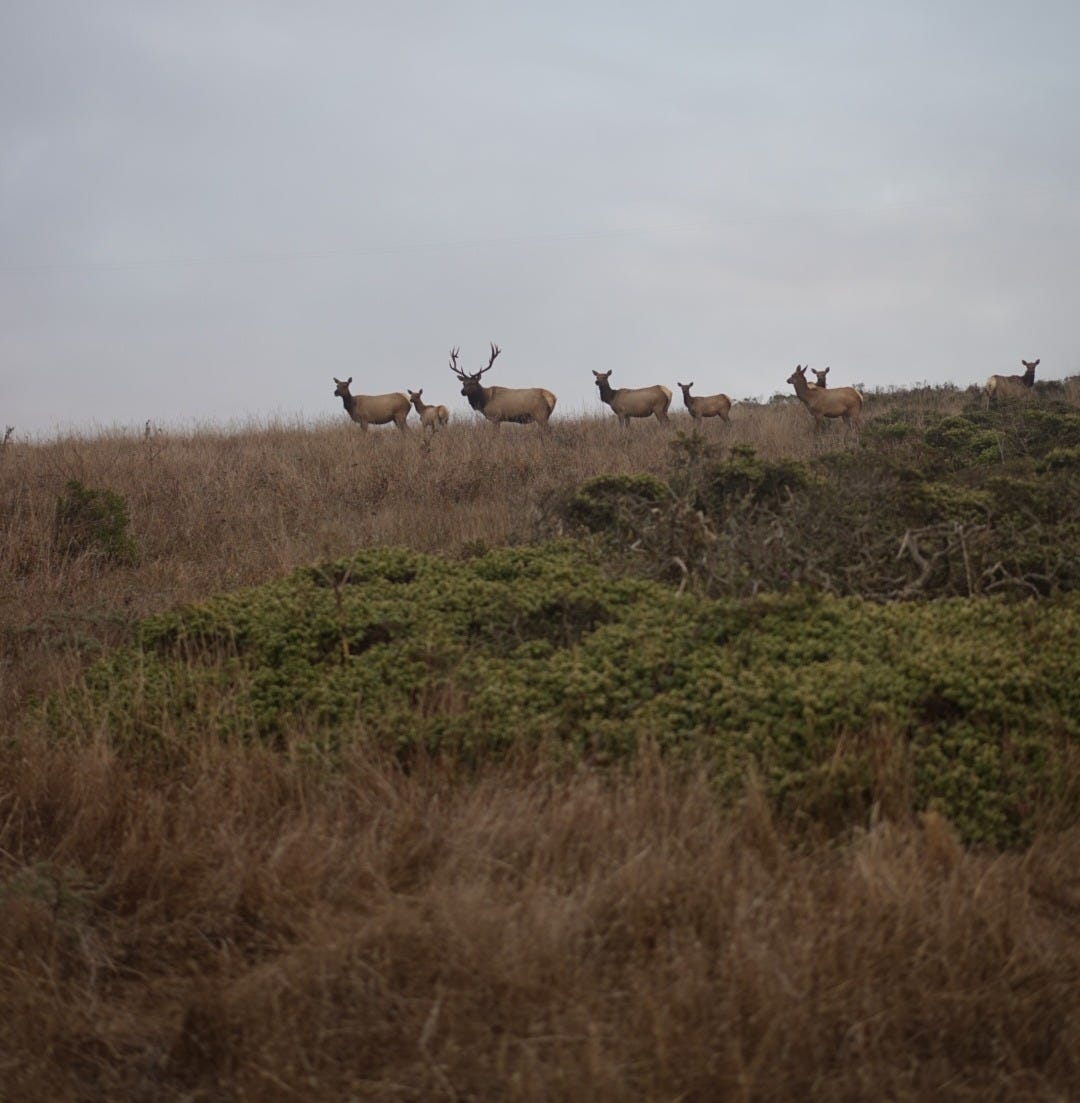
Through my spotting scope mounted on a tripod, I’d watch coyotes hunting for ground vermin for hours, and when the fall came I’d watch blacktail deer emerge from the thick brush and lock antlers. They’d chase their does around and put on a show with an ocean backdrop until sunset.
I once saw a red-tailed hawk take an airborne shit that was 6 feet long.
Bobcats, and the occasional badger, were a regular occurrence right outside my door. Ranch lore was that a family of mountain lions hung out in the front yard back in the 70s.
There were lambs born one night at 2am during a cold spell, and we helped keep the babies warm as they were born. One of them didn’t make it.
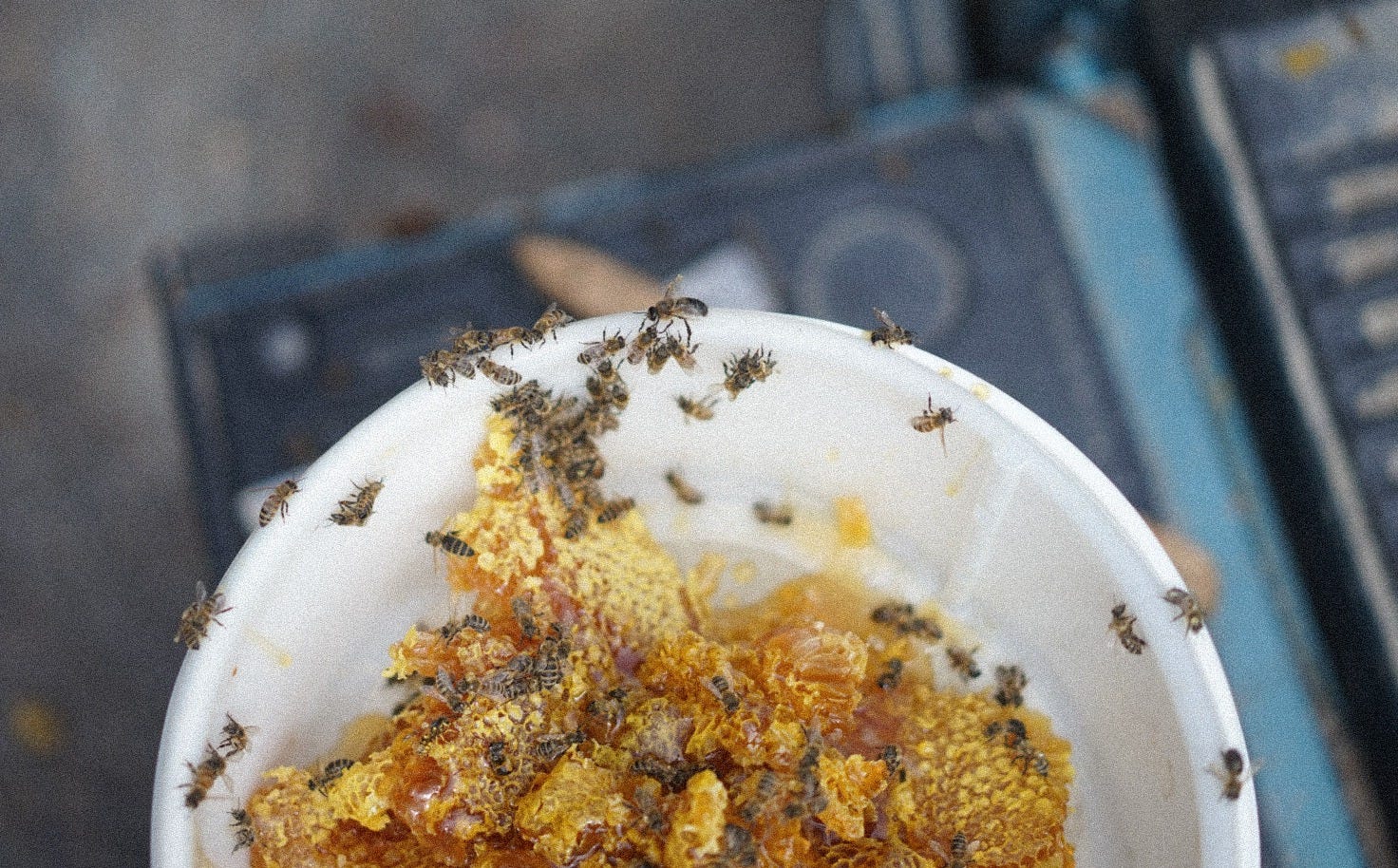
We made honey from bees in the backyard and chewed on the honeycomb while we sat with our bee stings and drank lemon verbena tea from the garden.
It was a far different ranch experience than what I had in Wyoming even though many aspects of living were a bit rough around the edges. It looked romantic from the outside, but it didn’t always feel that way. Don’t get me wrong, I don’t need many of the modern conveniences of regular city life to be happy - I feel guilty when I use Door Dash, or God forbid those electric scooters scattered around urban downtowns. Disneyland scares me more than hiking alone in the dark on a mountain in grizzly bear country. But at a certain point, when you don’t have running water that you can drink and your living space is smaller than New York City’s smallest apartment at the age of 32, quality of life begins to get affected.
Nevertheless, during that time, I was very happy. I was finally scratching away at the itch of both living on a ranch, and a metric ton of poison oak. Ironically though, I eventually realized that the satisfaction of living out that dream was not about the fact that I was on a ranch at all. I probably should’ve seen that coming since I wasn’t the one herding heifers.
The ranch life didn’t add some unknown meaning to life for me. But it removed noise. It showed me that subtraction can be a powerful force. That you don’t have to live your life on autopilot. It slowed me down, and sharpened my attention to my surroundings. It taught me that sometimes a little friction is good for you and helps you feel alive.
Maybe I’m drawn to environments that don’t always let you disappear into comfort whenever you want. And maybe maybe I seek out that feeling when you get far enough away for long enough, and realize that many urban myths start to reveal themselves as just a facade - like that fleeting glimpse of mental clarity that everyone has surely had at least once, on trip to a remote place where your cell phone doesn’t work for a while. The illusion that everything that is seemingly under control in society, but is clearly not, falls away for a bit. Yet life keeps moving, in a different way, and the little things matter more than ever. And that may be the best part of it all.
Nice single fin🤙
Stemple Creek?